|
9:00 am ET
|
Welcome and Opening Remarks - Ontario Association of Medical Radiation Sciences
|
|
| 9:05 am |
Future Medicine Will Be The Medicine of Frequencies: What Did Einstein Mean?
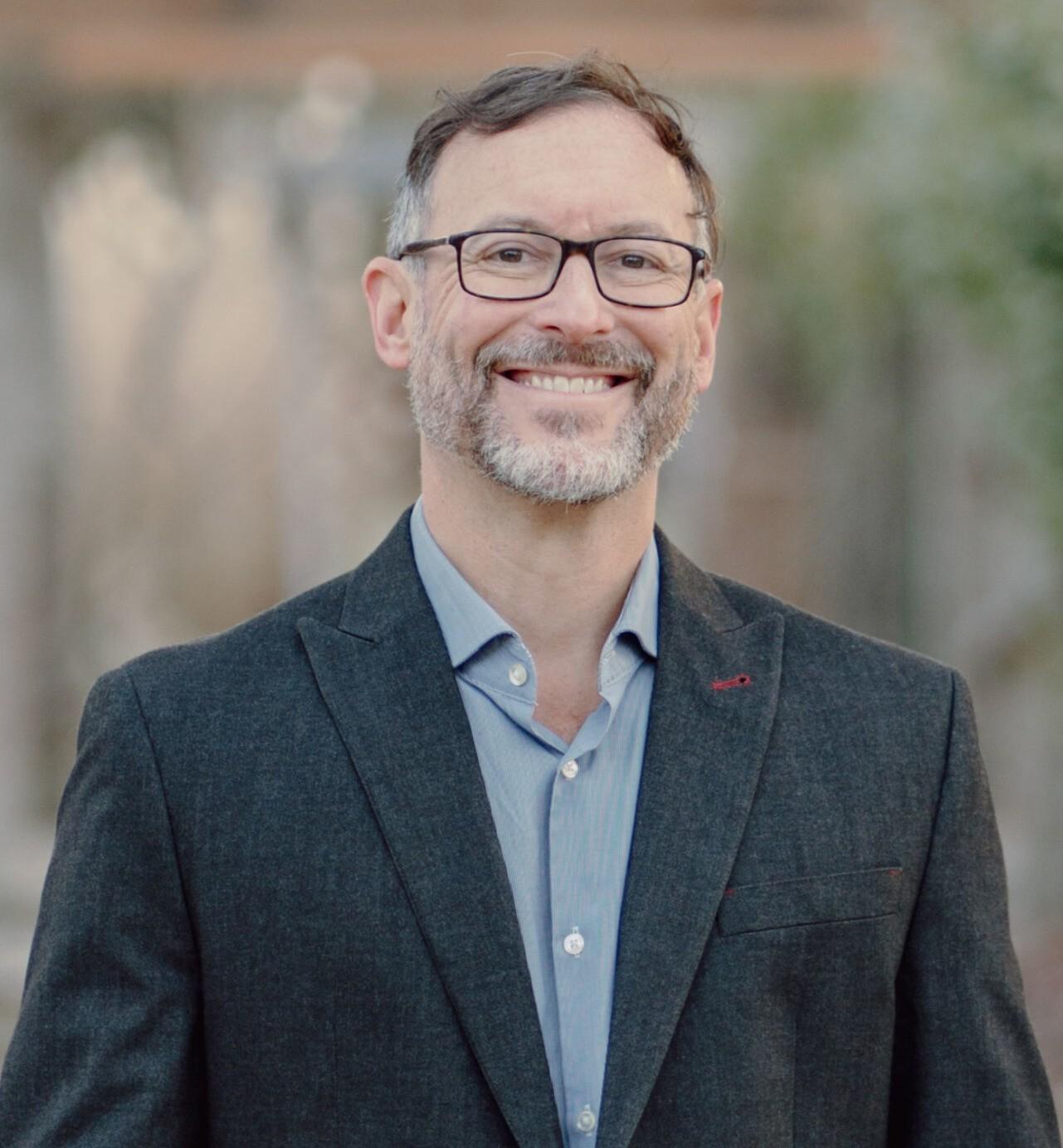
Dr. Mitchell Abrams, MD
Dr. Mitchell Abrams is a Canadian radiologist, TEDx speaker, educator, and founder of NexGenHealth Ltd. He earned his medical degree and radiology specialty at Dalhousie University, with subspecialty training at the University of Toronto. A certified educator of applied compassion through Stanford’s CCARE, he is also a fellow of the Royal College of Physicians and Surgeons of Canada and an assistant clinical professor at McMaster University. He previously chaired diagnostic imaging at Cambridge Memorial Hospital. After being diagnosed with Hypertrophic Obstructive Cardiomyopathy and undergoing open-heart surgery, he experienced care as both physician and patient, inspiring his mission to bring more heart to healthcare and promote compassion, coherence, and human connection. With over a decade of research and practice, he envisions a healthcare future in which compassion, coherence, and human connection are recognized as foundational elements of healing and community well-being.
Presentation Objectives:
- Understand the science of the heart-brain connection; the effect of the heart on brain function, emotional resilience, and stress response.
- Gain tools for self-regulation; learn accessible, evidence-based practices that improve focus, reduce anxiety, and support emotional balance - essential for both learning and leading.
- Explore the heart’s role in human connection; understand how the heart’s energy field affects our relationships and how compassion, empathy, and coherence affect patients and colleagues and alike
- Receive access to a community of practice support and sustain personal wellbeing
|
1.0 CE Hour |
| 10:05 am |
Preventing MSD at Work: Evidence-Based Guidelines for a
Safer, Healthier Workplace
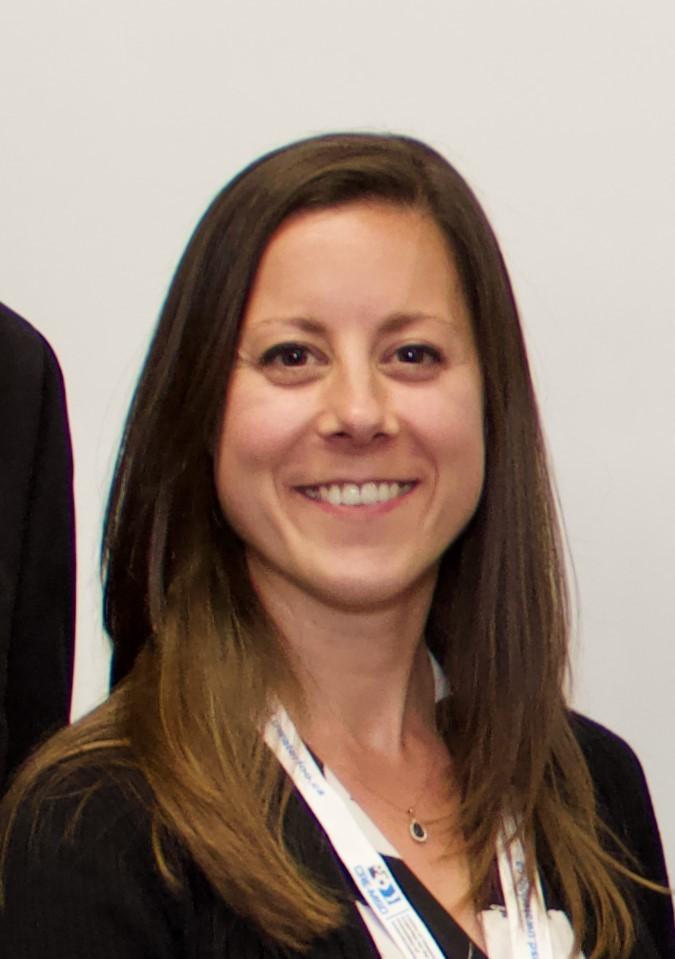
Kim Meszaros, MSc, CCPE, Centre of Research Expertise for the Prevention of
Musculoskeletal Disorders (CRE-MSD)
Kim Meszaros is a Canadian Certified Professional Ergonomist with a Master of Science in Kinesiology from the University of Waterloo. Her research in occupational biomechanics focused on overhead work and the impact of task rotation on the onset of shoulder fatigue. She started her career in ergonomics consulting and is currently the Ergonomics Research Coordinator at the Centre of Research Expertise for the Prevention of Musculoskeletal Disorders (CRE-MSD). Her primary focus is supporting the continuous development of the MSD Prevention Guideline for Ontario and sharing MSD prevention resources with workplace stakeholders.
Presentation Objectives:
- Increase awareness of musculoskeletal disorders (MSD) and MSD hazards in the workplace.
- Learn about the 10-step process for integrating MSD prevention into a Health and Safety program, as well as evidence-based resources available on the MSD Prevention Guideline for Ontario.
- Discover strategies to increase worker engagement in identifying and controlling MSD hazards to prevent injury and improve comfort and productivity at work.
|
1.0 CE Hour |
| 11:05 am |
Progress in Developing a Portable Microwave Breast Cancer Sensing System for Resource-Limited Settings
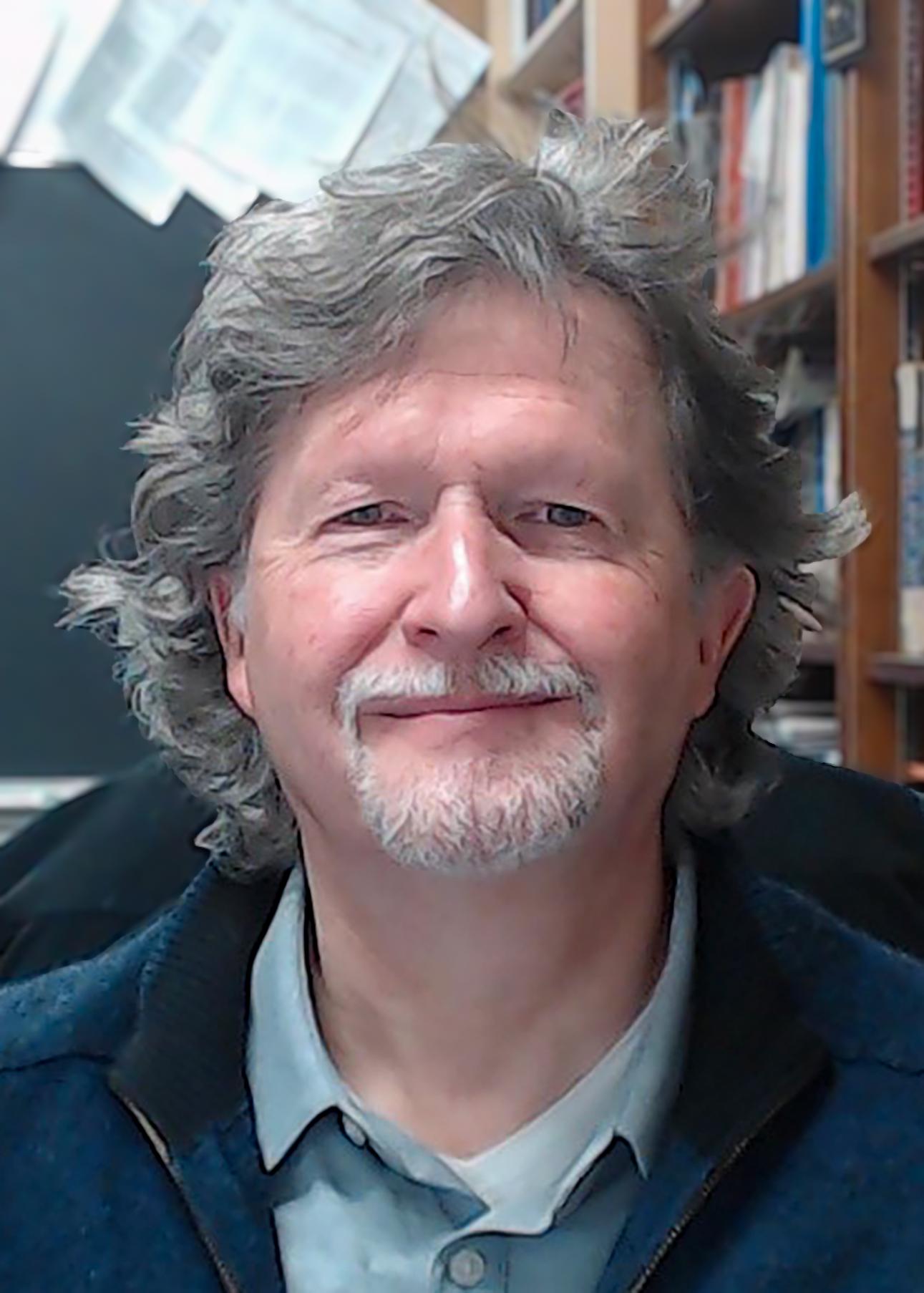
Dr. Stephen Pistorius, B.Sc (Hon), M.Sc. (Med), Ph.D., Dip.BA, P.Phys., FCOMP, University of Manitoba
Stephen Pistorius earned a B.Sc. (Hons.) in radiation physics, an M.Sc. in medical science, and a Ph.D. in physics from the University of Stellenbosch. He is a Full Professor and Associate Head of Medical Physics at the University of Manitoba, with cross-appointments in Radiology and Biomedical Engineering. His research focuses on microwave breast-cancer imaging, advanced reconstruction methods, and imaging applications in orthopaedics and radiation therapy. He has supervised over 100 students and authored more than 200 publications. A certified medical physicist, he has held senior academic and professional leadership roles and currently directs the CAMPEP-accredited Medical Physics Graduate Program. His many honors include the 2025 CAP-COMP Peter Kirkby Medal.
Presentation Objectives:
- Understand the motivation behind developing portable, low-cost breast cancer detection systems and the specific challenges encountered in designing systems for resource-limited settings.
- Gain insight into the evolution of microwave breast imaging technology, including system design, physics informed reconstruction methods, and integration with machine learning.
- Appreciate the development and evaluation of tissue-mimicking phantoms, as well as preclinical validation strategies for assessing diagnostic performance.
- Value how advances in hardware, algorithms, and clinical translation pathways position microwave breast sensing as a potential tool to improve global health equity in cancer detection.
|
1.0 CE Hour |
| 12:15 pm |
LUNCH BREAK
|
|
| 12:45 pm |
Streamlining of Workflows Through the Use of AI
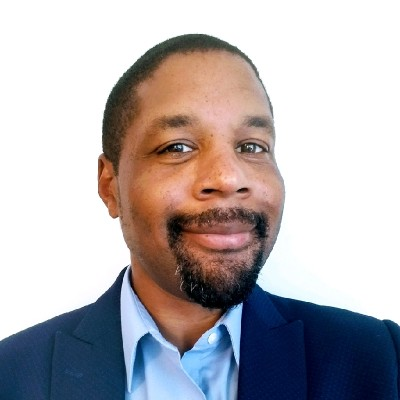
Jason Daly, MBA, GoAutomate Inc.
Jason established and led the Automation Centre of Excellence for a "Big Five" Canadian bank, where he drove significant operational improvements by deploying over 350 software robots across more than 12 lines of business, resulting in millions of dollars in annual cost savings. During his tenure, he also led the solution design for the largest workflow automation project in the bank's history. Upon transitioning to the healthtech industry, Jason co-founded a highly regarded AI and automation healthcare startup called GoAutomate, an endeavor that earned him the "Startup Innovator of the Year" award from Digital Health Canada in 2023.
Presentation Objectives:
- Explore how automation and Artificial Intelligence (AI) are changing diagnostic imaging for the better.
- Discuss how intelligent systems can work with current tools to handle tedious administrative tasks, cutting down on mistakes and enhancing results.
- Identify the role of AI in imaging departments and solutions coming forward that will help save time allowing technologists to shift their focus from data entry back to direct patient interaction.
|
|
| 1:45 pm ET |
Sharper Images, Smarter Systems: MRTs Leading Quality Improvement
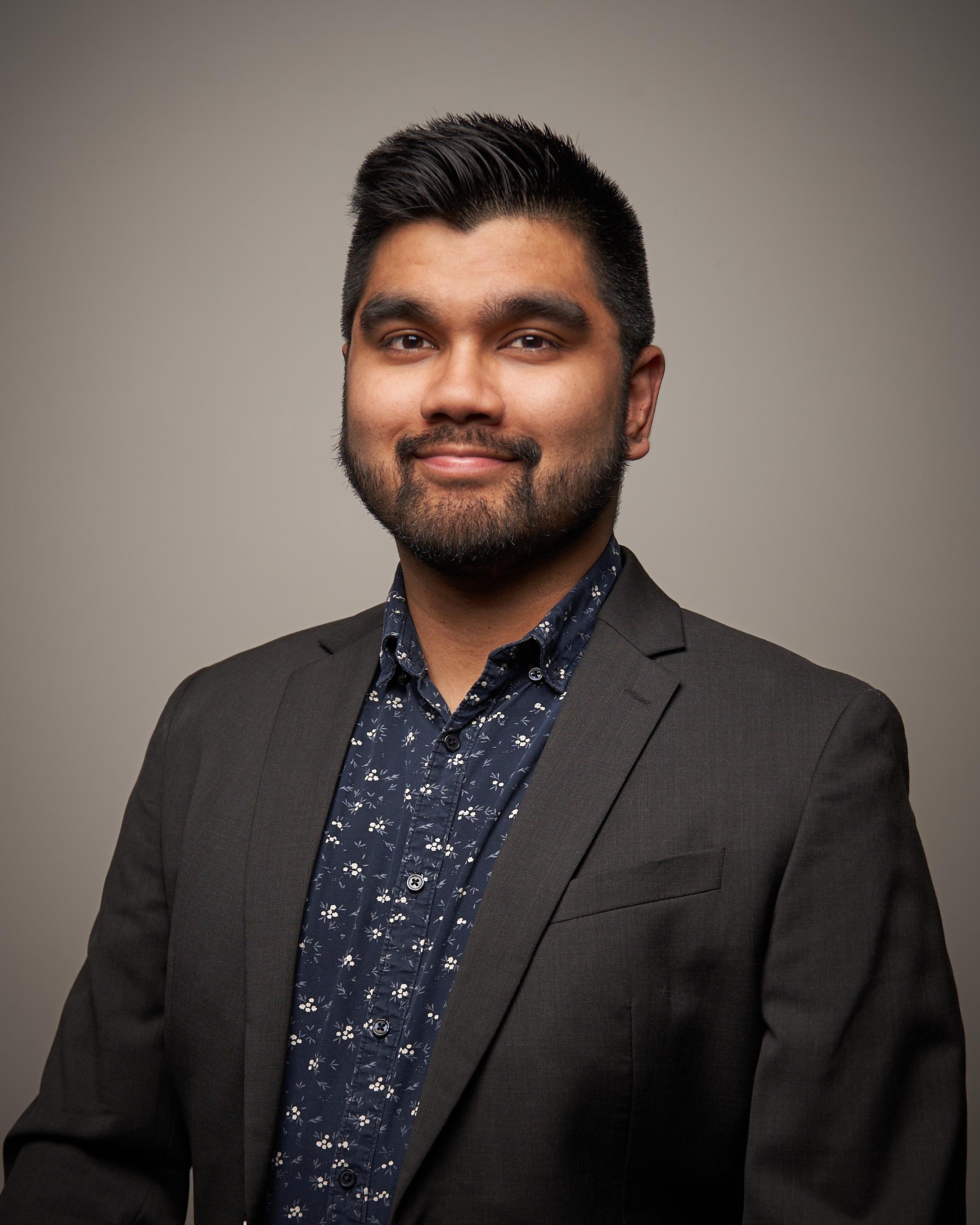
Hari Gopalan, MMA, MRT(DMS), CHEO
Hari is a dynamic, multimodality-trained MRT who began his training in the Philippines and later specialized in Ultrasound through Algonquin College after moving to Canada in 2017. He worked as a sonographer at CHEO, Ottawa’s pediatric hospital, for three years before completing the CHEOWorks Fellowship in Quality Improvement (QI). He now serves as a Quality Improvement Advisor for Medical Imaging and Ambulatory Care. Hari is also a Medical Imaging Accreditation Assessor with Accreditation Canada Diagnostics and a lecturer at De La Salle Health Sciences Institute, teaching in the Master’s in Radiologic Technology program. Holding a Master’s in Management Analytics from McGill University, he integrates data-driven and AI-enabled insights into clinical practice and aims to inspire the next generation of MRT leaders to continue lifting the bar of excellence for the profession.
Presentation Objectives:
- Appreciate how MRITs can leverage frontline experience to transition into roles that add value and drive impactful change within an organization.
- Recognize commonly used Quality Improvement (QI) tools for root-cause assessment and simple data interpretation.
- Understand basic data analytics concepts and how they can be leverage to inform decision making in a Radiology Department.
- Identify key change-management strategies, including a brief overview of the ADKAR model, that help support sustainable improvements.
- Explore how emerging AI tools can empower MRITs in areas such as workflow mapping, measurement, and QI decision-making.
|
|
| 2:45 pm ET |
From Bias to Better Care: MRT Leadership in Ethical AI Integration
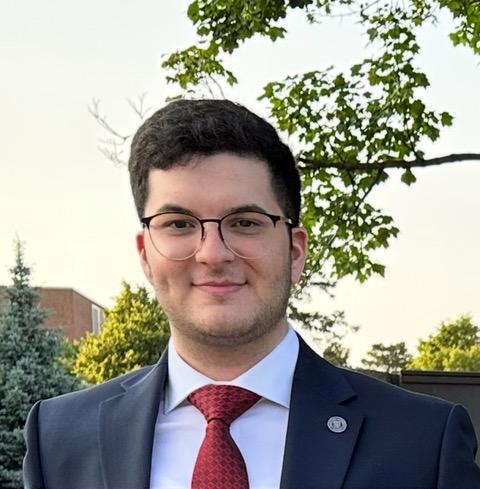
Yousif Al Naser, MRT(R), Trillium Health Partners
Yousif graduated from McMaster University's Medical Radiation Science Bachelor's program and currently works as a CT Technologist at Trillium Health Partners. Yousif is also an active researcher in medical imaging and emerging healthcare technologies, with over 100 citations and approximately 20 peer-reviewed publications. His research explores the intersection of radiology, artificial intelligence, digital health innovation, and patient-centred care, spanning topics such as AI competency, imaging safety, machine learning in disease assessment, and equitable access to medical imaging. Through this work, his aim is to contribute to a future where technological advancement in healthcare enhances quality, supports clinicians, and promotes fairness and inclusion across diverse patient populations.
Presentation Objectives:
Explore how Medical Radiation Technologists can play a leading role in guiding the ethical and equitable integration of Artificial Intelligence in radiology.
Identify how AI can both enhance diagnostic accuracy and unintentionally introduce bias, and how MRTs are uniquely positioned to identify and mitigate these risks.
Highlight strategies for promoting Equity, Diversity, and Inclusion through diverse data collection, ethical practice, and participation in AI development.
Examine common barriers to AI adoption and outline approaches to strengthen MRT education, policy involvement, and community engagement.
Discuss the tools needed to support fair, inclusive, and responsible AI use in medical imaging.
|
|
| 3:45 pm ET |
Bonus Talk: Environmental Sustainability in Radiology

Maura Brown MD, MHA, FRCPC, FCAR
Dr Brown is a Radiologist at BC Cancer in Vancouver and a Clinical Professor in the Department of Radiology at UBC. A lifelong enjoyment of the outdoors and love for all living things led to her interest in climate change, biodiversity loss, and the associated risks to human health. She is personally dedicated to work on reducing emissions and waste in healthcare, with a focus on radiology. Dr Brown chairs the BC Cancer Planetary Health Unit, the BC Radiologic Society (BCRS) Environmentally Sustainable Radiology committee, and co-chairs the Canadian Association of Radiology (CAR) Sustainability working group. She is an active member of the Canadian Association of Physicians for the Environment (CAPE).
Presentation Objectives:
Describe the relationship between climate change, healthcare, and radiology
Discuss local and national strategies for low-carbon, high-quality medical imaging
|
|