You won't want to miss the first OAMRS symposium of 2026 happening on June 6, 2026. Register below to attend the OAMRS Summer 2026 MRI Safety and Innovations Symposium.
Program accreditation with ASRT has been applied for. Participants who attend this program will receive a certificate of attendance from OAMRS containing 6.0 continuing education hours and 6.0 ASRT approved Category A credits. This program and associated credits are recognized by ARDMS.
What Your Colleagues Have Said About Our MRI Safety and Innovations Symposiums:
“I thought the symposium was very good and extremely informative. I also enjoyed that it was virtual and you could still interact with the speakers.”
—C, Oregon
“The presentations were intellectually stimulating and informative. Enjoyable.”
— Y.H., Toronto
“Excellent presentations and information for MR. Very informative presentations."
— G, Toronto
Event Pricing:
- OAMRS Member - $30
- ARDMS Member - $75 (contact [email protected] for discount code)
- Non-Member - $175
CE Hours - 6.0/ASRT Cat A Credits - 6.0
*Please note full attendance to this event is required to receive CME and ASRT credits.
OAMRS Summer 2026 MRI Safety and Innovations Symposium | June 6, 2026
| 8:55 am ET |
Welcome and Opening Remarks - Ontario Association of Medical Radiation Sciences |
|
| 9:00 am ET |
Shared Considerations in Patient MR Safety
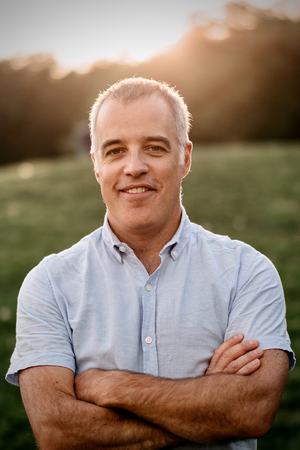
Ives Levesque, PhD, FCCPM
Ives Levesque is an MRI physicist, Associate Professor of Medical Physics at McGill University, clinical physicist at the McGill University Health Centre, and Associate Director of the Montreal General Hospital MRI Research Platform. His research is focused on methods for oxygen-sensitive MRI, dynamic contrast enhanced MRI, fat-water separation, and MR spectroscopy, and on MR safety. He teaches in the graduate programs in Medical Physics and Biomedical Engineering, and provides training to healthcare and research professionals in MRI and MR safety. Ives Levesque is a Fellow of the Canadian College of Physicists in Medicine (MRI subspecialty).
Presentation Objectives:
- At the end of this presentation, the attendee should be able to:
- Name a variety of guidance documents on MR safety
- Identify consensus safety elements in the MR environment
- Describe MR safety measures within the hierarchy of hazard controls
- Discuss safety considerations for patients with cardiac devices, glucose monitors, and embolization coils
|
1.0 CE Hour |
10:00 am ET
|
The Role of Radiology in Alzheimer's Disease Care
Liang Wang, M.D, Ph.D, Washington University in St. Louis
Dr. Wang is a neuroradiologist who practices at a tertiary medical center in St. Louis. His clinical interest is brain tumors and skull base pathology. His research is focused on characterizing anatomical and physiological changes of the brain in Alzheimer disease.
Presentation Objectives:
- Discuss the role of radiology in diagnosis, determining eligibility of therapy and monitor treatment response for patient with AD
- Understand key features on baseline MRI which may guide eligibility for anti-amyloid immunotherapy
- Identify Amyloid Related Imaging Abnormality (ARIA) on MRI
- Discuss the recommendation for amyloid PET
- Review practice guideline and Washington University clinical experience
|
1.0 CE Hour
|
| 11:00 am ET |
Morning Break
|
|
| 11:15 am ET |
Dry Cool Technology: A New Sustainable Era of AI-Powered and
Helium-Independent MRI. Empowering You With Unmatched
Workflow Simplicity.

Sunil Kumar Suguru Laxman, MD, Product Sales Executive, Siemens Healthineers
Sunil is currently working as a Product Specialist for MRI with Siemens Healthineers Canada, with 22 years of experience on Siemens systems. He is also a medical graduate with more than 10 years of clinical experience in the Department of Neurosurgery.
Presentation Objectives:
- Identify the key features of Dry Cool technology as part of a new sustainable era of AI-powered and helium-independent MRI systems
- Describe how this technology enables simplified workflows
- Discuss the ways in which it elevates the patient experience
- Explain how AI-enhanced imaging contributes to achieving high-quality diagnostic results
|
1.0 CE Hour |
12:15 pm ET
|
Lunch Break
|
|
12:45 pm ET
|
The MR Success Clinic: Empowering Patients and Families
Through Innovation
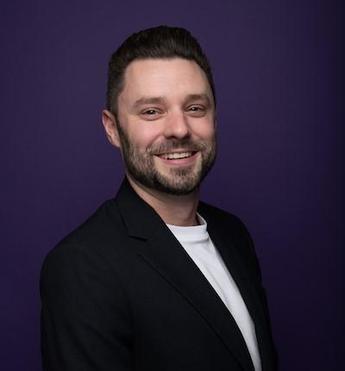
Matt Head, MRT(R)(MR), Professional Practice Leader - Medical Radiation and Imaging Technologists, The Children's Hospital of Eastern Ontario
Matt Head is a proud graduate of Cambrian College and has dedicated the past 15 years to advancing pediatric medical imaging at Children's Hospital of Eastern Ontario. Beginning his career as a Magnetic Resonance Imaging Technologist, MRT (MR), Matt has developed a strong passion for professional practice, innovation, and improving patient experiences in imaging. He currently serves as the Professional Practice Leader for Medical Radiation and Imaging Technologists (MRITs) and the Innovation Adoption Lead at CHEO, where he works to support clinical excellence while fostering the adoption of emerging healthcare technologies.
Presentation Objectives:
- The MR Success Clinic at CHEO is transforming pediatric MRI care by addressing prolonged wait times for scans under general anesthesia (GA). This presentation highlights how a defined clinical challenge sparked an innovation journey using virtual reality (VR) from a research pilot study to a successful clinical program.
- This presentation will demonstrate how research, innovation, and clinical leadership can align to improve patient experience by empowering children and families, reduce system pressures, and deliver meaningful impact in pediatric
imaging
|
1.0 CE Hour
|
| 1:45 pm ET |
Making Every Voxel Count: Advanced Quality Assurance in
Research MRI
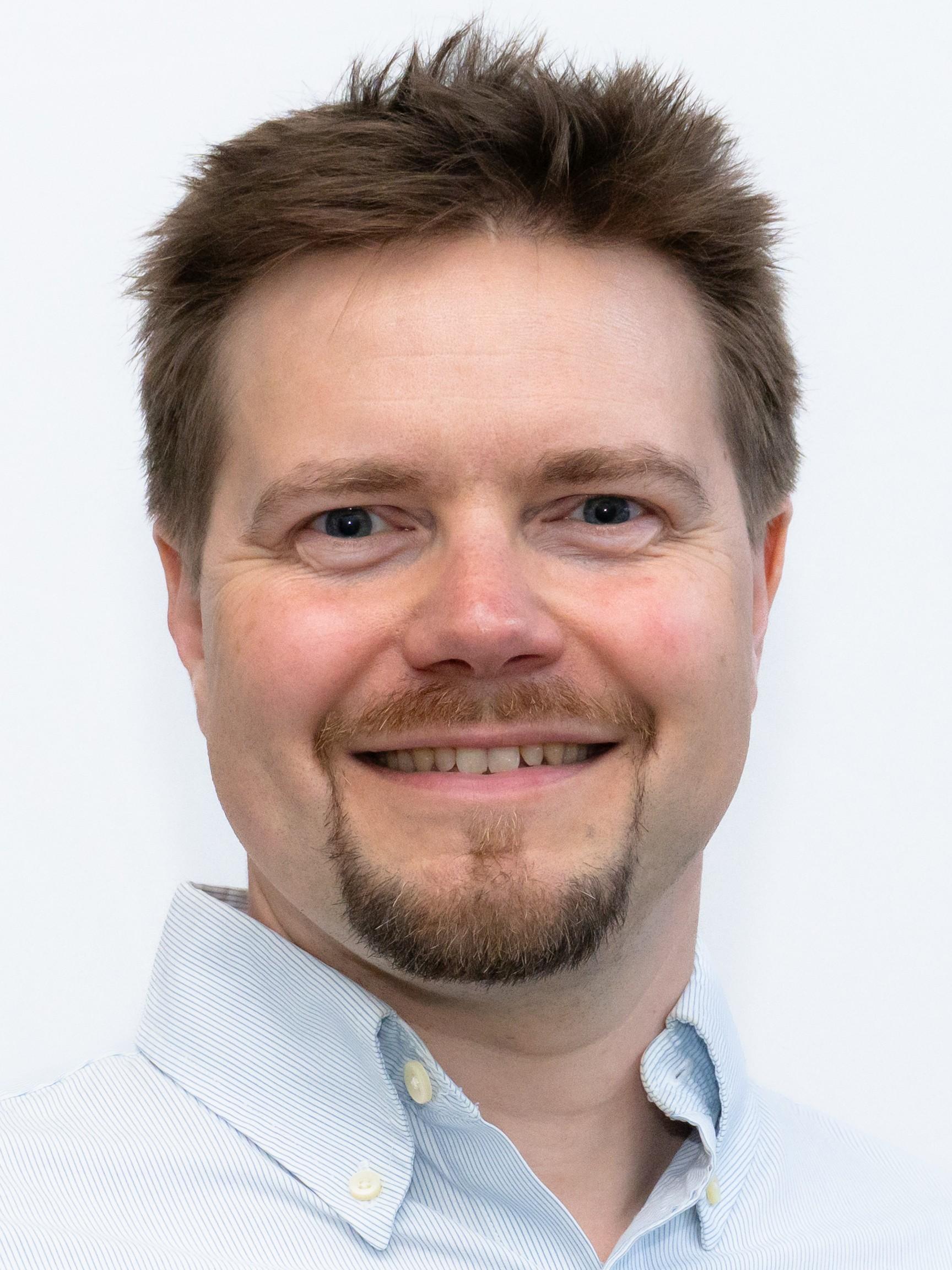
Lars Kasper, PhD, Lead MR Physicist, Toronto Neuroimaging Facility (ToNI), Department of Psychology, University of Toronto
Lars Kasper, PhD (ETH Zurich), is the Lead MR Physicist at the Toronto Neuroimaging Facility (ToNI), an Institutional Core Facility of the University of Toronto, where he directs advanced neuroimaging methods and quality assurance initiatives. His work focuses on improving the sensitivity and reliability of functional MRI through innovative acquisition strategies (including non-Cartesian/spiral imaging), advanced image reconstruction, and model-based correction of physiological and system-related noise. With over 20 years of experience at the intersection of MRI methods development and cognitive neuroscience, he has particular expertise in ultra-high field imaging and quantitative data quality assessment. Lars is also an active contributor to open science, developing and maintaining widely used neuroimaging toolboxes such as TAPAS PhysIO and UniQC to support reproducible and transparent research workflows
Presentation Objectives:
- Describe key differences between clinical and research MRI QA/QC requirements
- Recognize advanced QA/QC methodologies, including phantom-based and time-series approaches for neuroimaging
- Understand how reproducibility and harmonization influence protocol design and quality monitoring
- Identify practical strategies and computational tools that can be adapted to their own MRI practice
|
1.0 CE Hour
|
| 2:45 pm ET |
Concluding Remarks - Ontario Association of Medical Radiation Sciences
|
|